Reducing $850B in Returns with Fit Intelligence
An AI-assisted virtual-try-on tool, designed to simulate the fitting room experience, reduce returns, and save retailers millions in reverse logistics.

How VTO helps de-risk returns
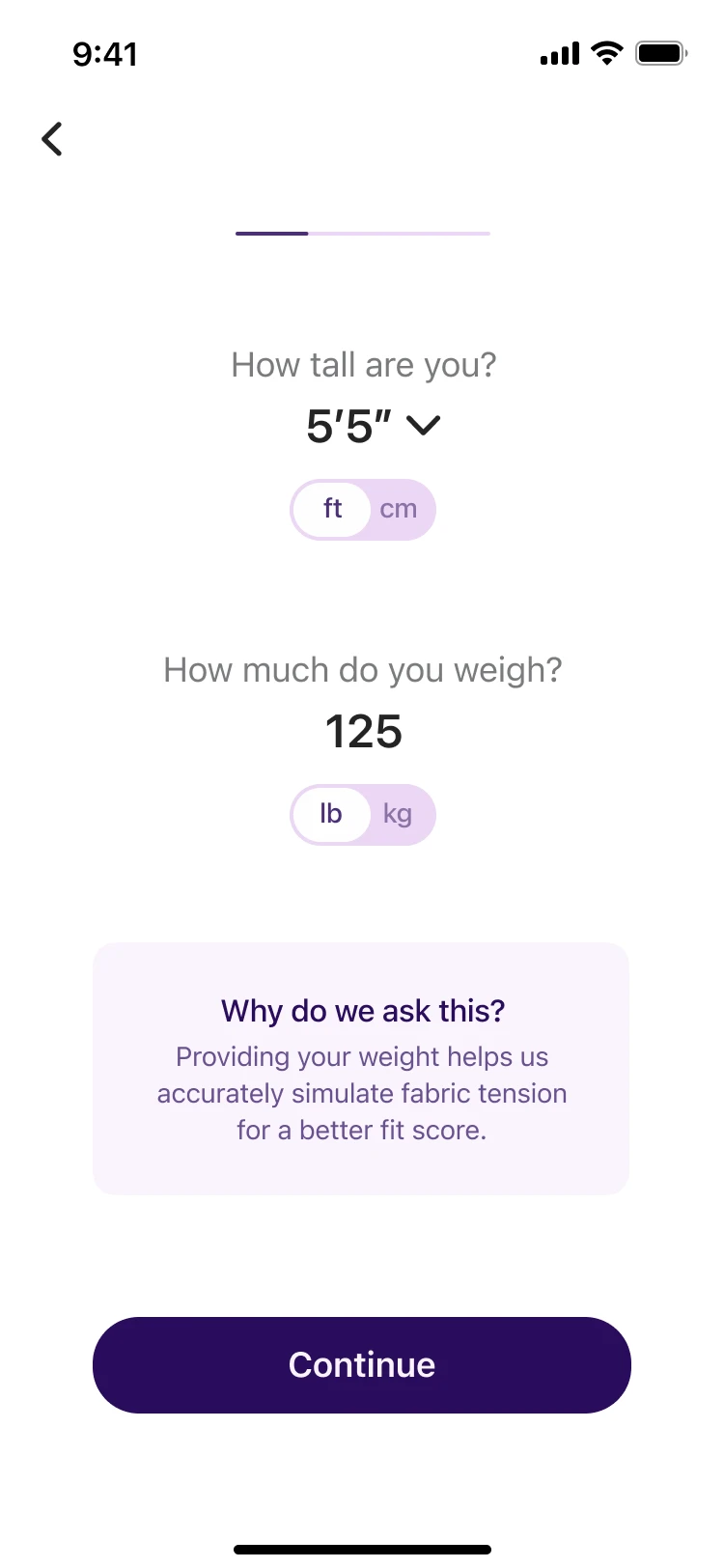
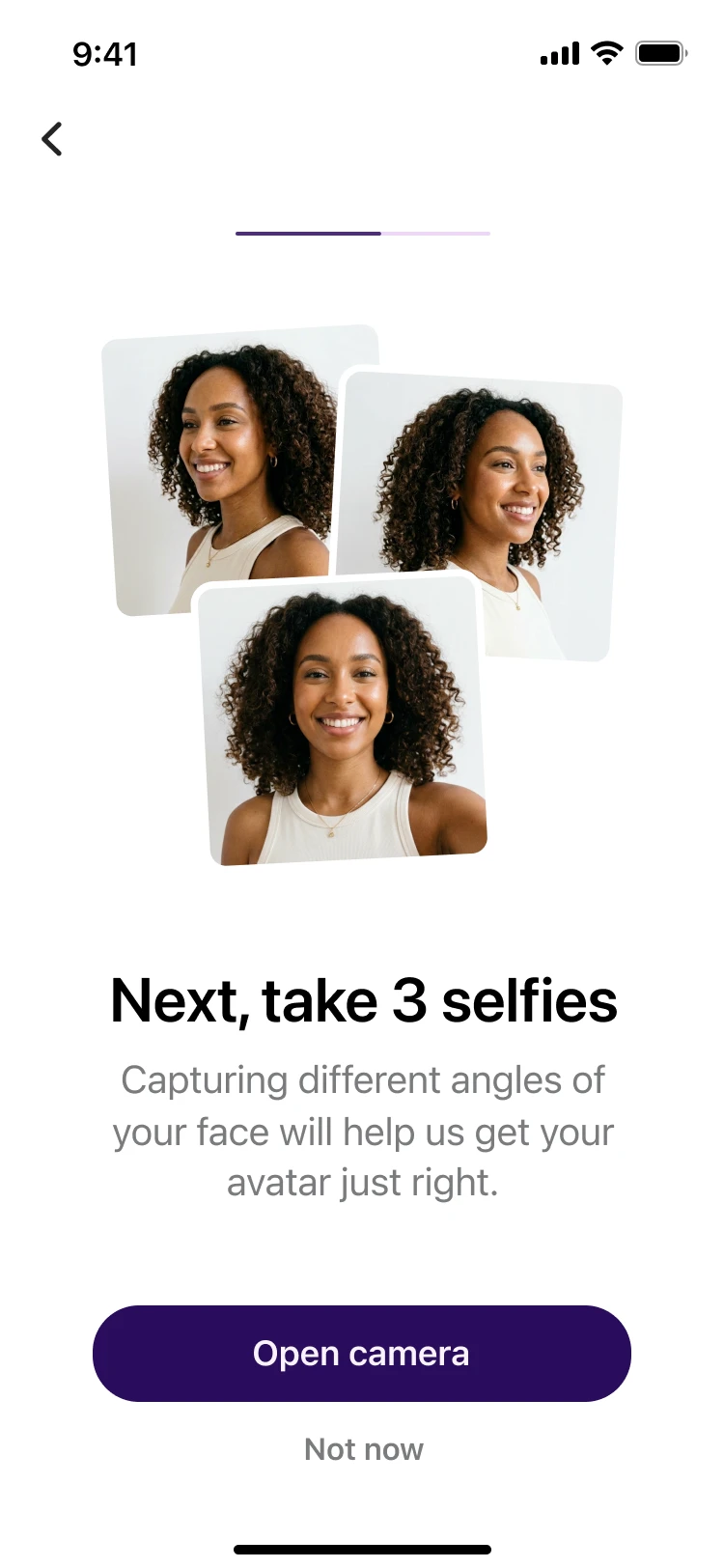
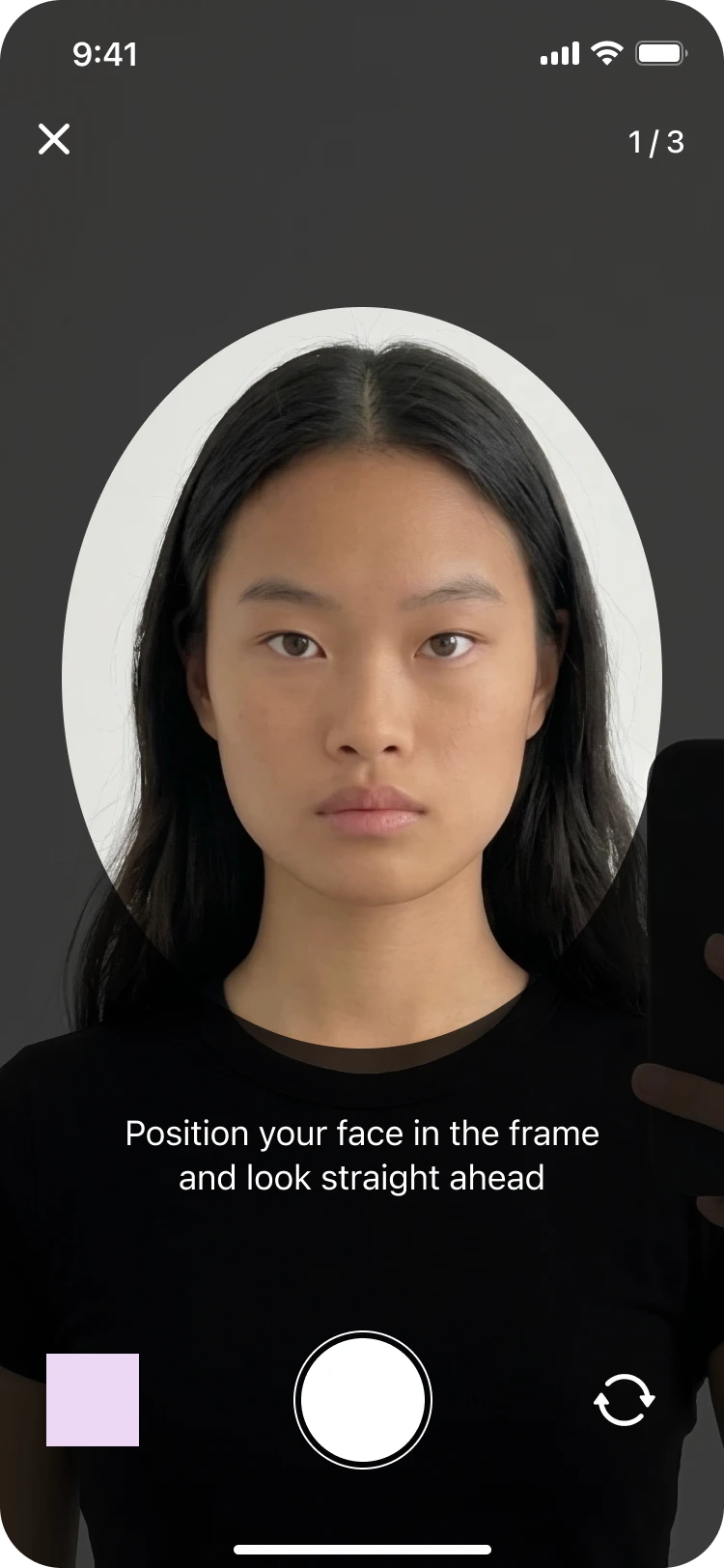
By mapping garment specs to customer measurements and a personal avatar, this product helps online shoppers try on apparel and accurately predict look and fit before making a purchase. Early test results showed that shoppers who used this tool felt confident enough with their results to forego bracketing (buying multiple sizes with intent to return).
My role
Product Design
Strategy
UX Research
Visual Design
Interaction Design
Year
2026
Team
Radu Vucea,
Lead Designer


Why this problem?
30-60% of online apparel purchases are returned every year
E-commerce returns cost U.S. retailers $850B in 2025, with poor fit cited as a leading cause. Retailers who tried to counter with return fees and friction were burned further by lost sales and customer backlash. They needed a way to help shoppers resolve two questions upfront: How will it look? and more importantly, How will it fit?







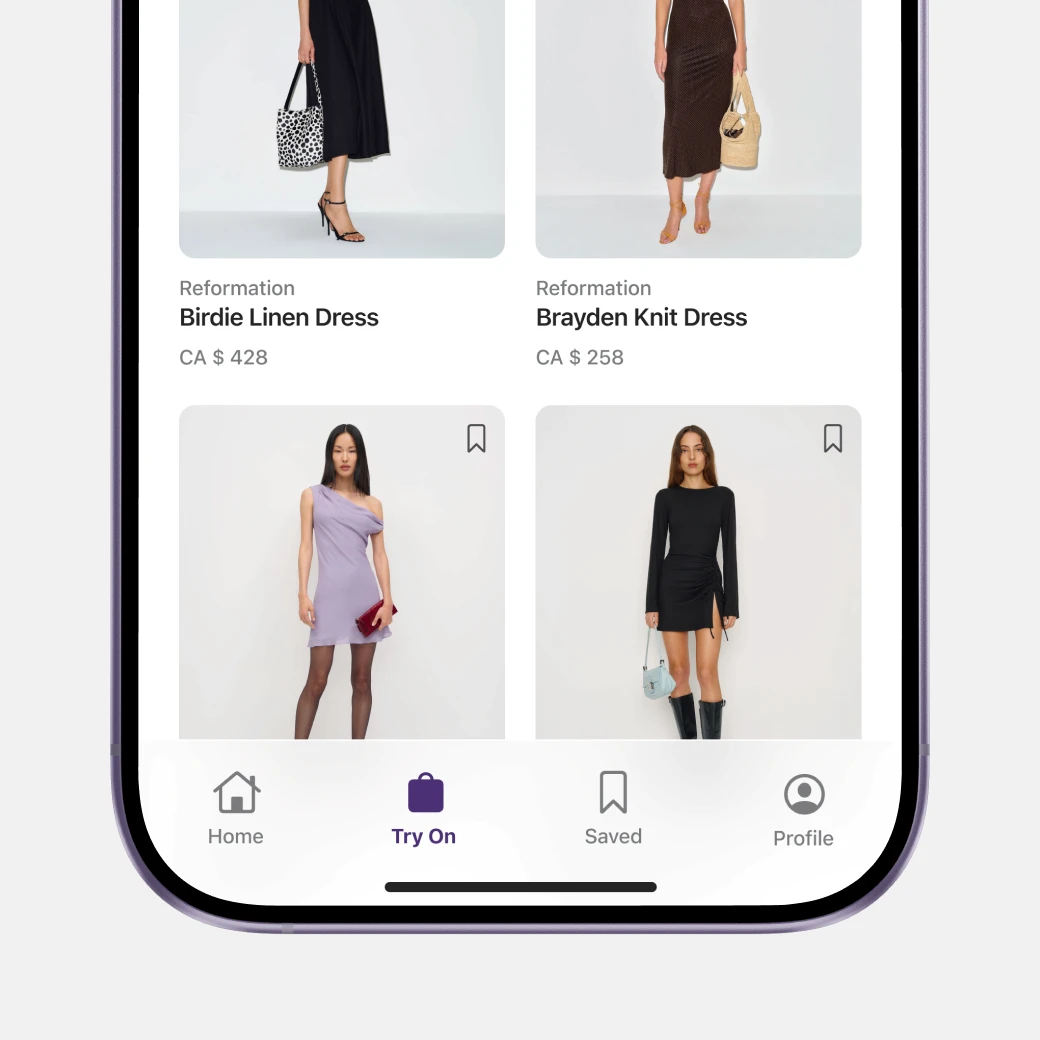


Tradeoffs
True fit vs. perfect fit
Existing VTO tools typically auto-adjust garments to fit avatars perfectly, which means they don't address the core problem of size & fit. Up to 60% of online apparel purchases get returned, and up to 70% of them are fit-related. To avoid exacerbating this problem, I chose to portray garment fit as accurately as possible.
While an honest fit may discourage gross sales, the cost of returns is great enough that redirecting a high-risk sale upfront is arguably more cost-effective than pushing for a sale that will likely be returned.
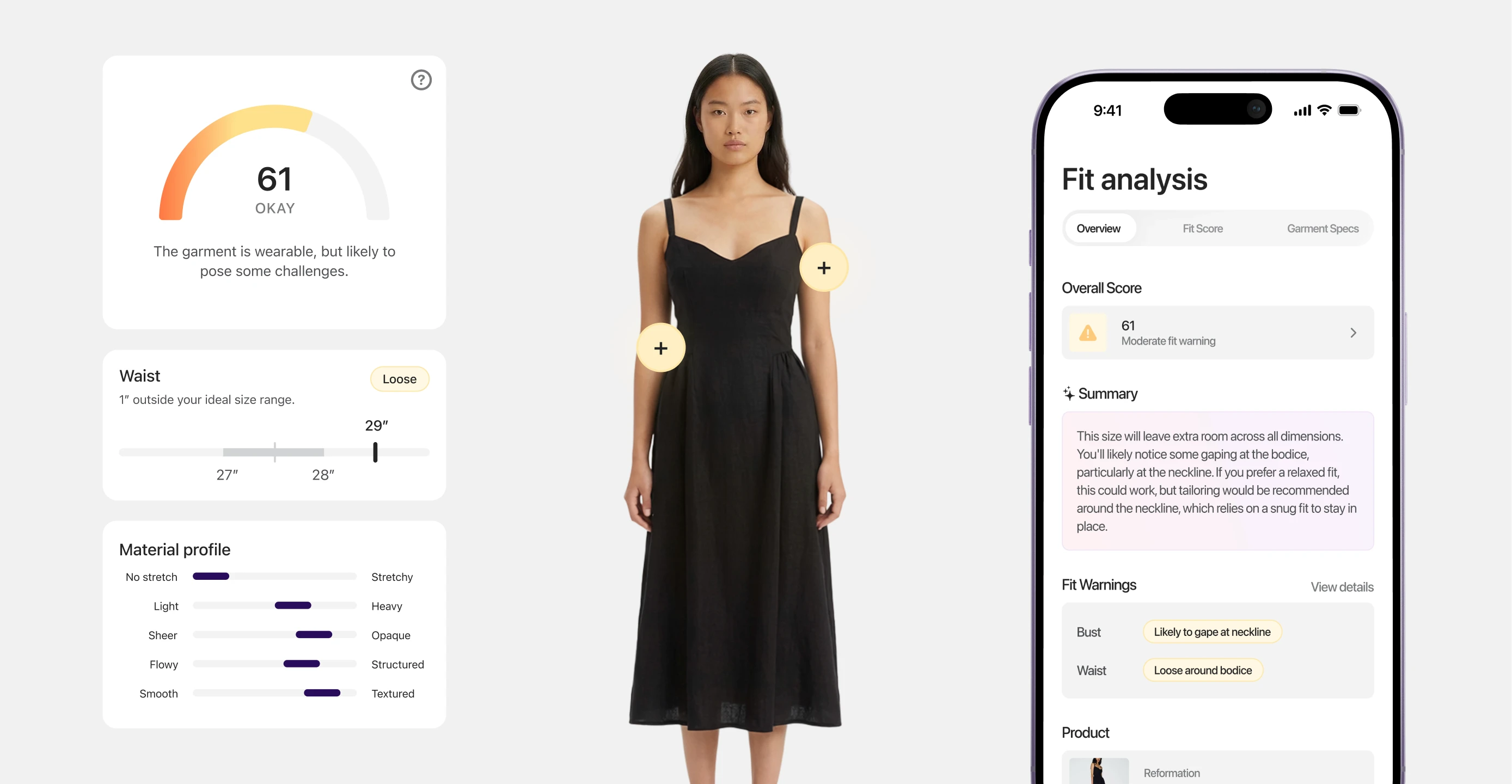

The fit analysis screens provide a detailed breakdown of the product's overall fit score, warnings, and specific garment behaviour.


Notifications allow users to be prompted when a new look or avatar is ready.


Score summaries help users preview a garment's fit at a glance.


The fit explainer dialog helps users understand how their score is calculated.
Outcomes
High confidence, low return intent
Early testers expressed high confidence in the app's fit assessment, and none chose to bracket (order multiple sizes) as a result. This suggests that this product could help meaningfully reduce returns at scale.
After using the tool to rule out a purchase, each participant also chose to continue searching rather than abandon their shopping. This suggests that the product is likely to redirect purchase intent rather than suppress it.
Both findings would need to be validated at scale, but as early signals they support the thesis that raising buyer confidence with fit intelligence is a promising solution to the apparel returns problem.

